Collection System Guide 2026: AI-Powered Debt Recovery & Automation Solutions

Understanding Modern Collection Systems in 2026
A collection system is the backbone of any successful debt recovery operation, encompassing the processes, technologies, and strategies used to recover outstanding debts while maintaining compliance and customer relationships. In 2026, the landscape of debt collection has transformed dramatically with the integration of artificial intelligence, omnichannel communication, and sophisticated automation tools that enable agencies to maximize recovery rates while reducing operational costs.
Today's collection system must balance efficiency with empathy, leveraging AI-powered solutions to handle routine tasks while ensuring human oversight for complex cases. For Collections Managers, Directors of Operations, and CFOs in debt collection agencies or accounts receivable departments, selecting the right collection system is critical to achieving business objectives while adhering to regulations like the FDCPA and TCPA.
This comprehensive guide explores the evolution of collection systems, the technologies driving modern debt recovery, implementation strategies, and how AI-powered platforms like AI debt collection are revolutionizing the industry.
What Is a Collection System?
A collection system refers to the integrated framework of tools, processes, and methodologies that organizations use to recover overdue payments from customers or clients. This system encompasses everything from initial debtor contact and payment negotiation to compliance monitoring and reporting.
Core Components of an Effective Collection System
Modern collection systems typically include several essential components that work together to streamline the recovery process:
- Debtor Database Management: Centralized storage of debtor information, payment history, and communication logs
- Communication Channels: Multiple touchpoints including phone calls, SMS, email, and chat for debtor engagement
- Payment Processing: Secure systems for accepting and processing payments through various methods
- Compliance Monitoring: Tools to ensure adherence to federal and state regulations
- Reporting and Analytics: Data visualization and insights for performance optimization
- Workflow Automation: Automated task assignment, follow-ups, and escalation protocols
According to research from the Federal Reserve, effective collection systems can improve recovery rates by 25-40% compared to traditional manual methods, making them essential investments for agencies focused on operational efficiency.
The Evolution from Manual to AI-Powered Collection Systems
Traditional collection systems relied heavily on manual dialing, scripted conversations, and paper-based tracking. These legacy systems were labor-intensive, prone to human error, and struggled to scale efficiently. The shift to digital collection systems in the early 2000s introduced CRM platforms and predictive dialers, but still required significant human intervention.
The current generation of collection systems leverages artificial intelligence, machine learning, and natural language processing to automate routine interactions, personalize communication strategies, and predict optimal contact times. This transformation has enabled agencies to handle higher volumes while improving both recovery rates and customer experience.
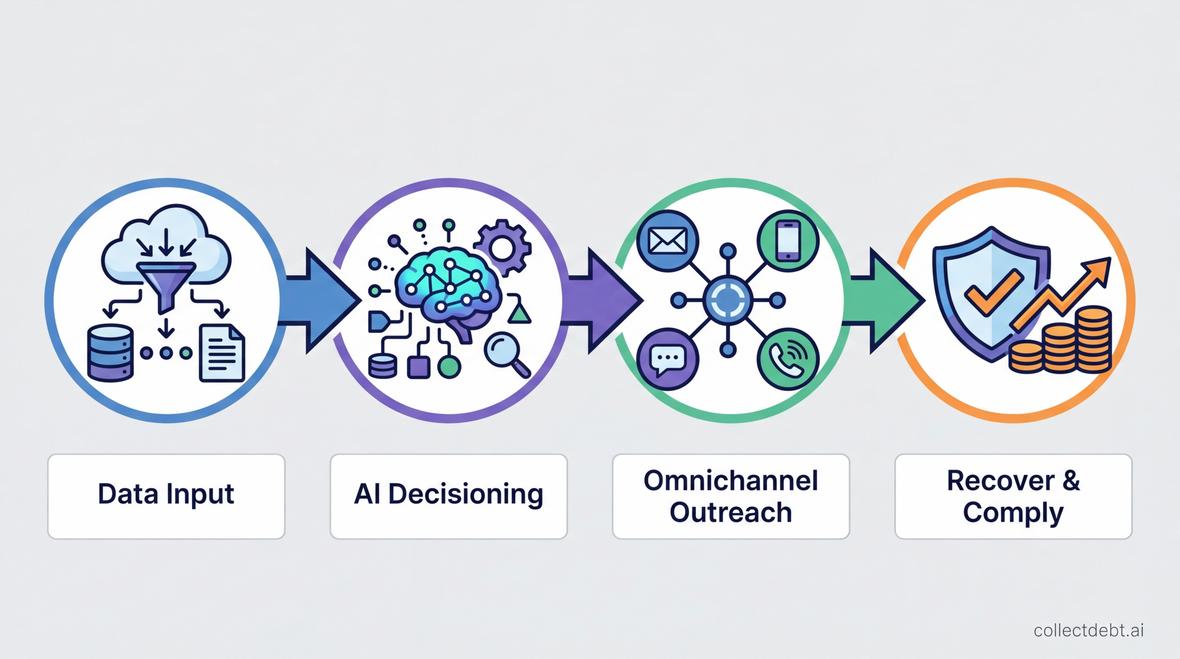
AI-Powered Collection Systems: The Future of Debt Recovery
Artificial intelligence has fundamentally changed how collection systems operate, introducing capabilities that were impossible with traditional approaches. AI-powered collection systems can analyze vast datasets, identify patterns, and make real-time decisions that optimize recovery outcomes.
Machine Learning and Predictive Analytics
Machine learning algorithms analyze historical collection data to predict which debtors are most likely to pay, the optimal time to contact them, and which communication channel will yield the best results. These predictive models continuously improve as they process more data, making the collection system increasingly effective over time.
Predictive analytics within modern collection systems can segment debtors based on payment propensity, financial capacity, and behavioral patterns. This segmentation allows agencies to allocate resources more efficiently, focusing human collectors on high-value or complex accounts while automating routine collections through batch calling and digital channels.
Conversational AI for Natural Interactions
Modern collection systems incorporate conversational AI that can engage debtors in natural, empathetic dialogues across multiple channels. Unlike rigid IVR systems, these AI agents understand context, respond to objections, and adapt their approach based on the conversation flow.
The implementation of inbound conversational AI enables debtors to initiate contact on their terms, ask questions about their accounts, and arrange payment plans without waiting for a human agent. This self-service capability not only improves the debtor experience but also reduces operational costs by handling routine inquiries automatically.
Omnichannel Orchestration and Integration
Today's collection system must seamlessly coordinate communication across multiple channels voice, SMS, email, chat, and even social media. An effective omnichannel support strategy ensures consistent messaging regardless of how debtors choose to engage, while tracking all interactions in a unified platform.
Omnichannel collection systems automatically select the most appropriate channel based on debtor preferences, past response patterns, and regulatory constraints. For example, if a debtor consistently ignores phone calls but responds to text messages, the system will prioritize SMS communication for future outreach.
Compliance in Modern Collection Systems
Regulatory compliance is non-negotiable in debt collection, and modern collection systems must incorporate robust compliance features to protect agencies from costly violations and reputational damage.
FDCPA and TCPA Compliance Features
The Fair Debt Collection Practices Act (FDCPA) and Telephone Consumer Protection Act (TCPA) impose strict requirements on collection practices, including restrictions on contact times, frequency, and methods. An effective collection system automates compliance by:
- Enforcing call-time windows based on debtor time zones
- Tracking and limiting contact frequency to prevent harassment claims
- Maintaining do-not-call lists and honoring communication preferences
- Recording and storing all interactions for audit purposes
- Delivering required disclosures and mini-Miranda warnings automatically
Agencies can learn more about navigating these requirements through resources like the FDCPA compliance guide for AI debt collection.
Consent Management and Right Party Verification
Modern collection systems include sophisticated right party verification processes to ensure communications reach the correct individual and that proper consent has been obtained. This is particularly important for automated communications, where TCPA compliance requires prior express consent for certain types of calls and messages.
Advanced verification systems use voice biometrics, knowledge-based authentication, and multi-factor verification to confirm debtor identity before discussing account details, protecting both the agency and the debtor from fraud and privacy violations.
Implementing a Collection System: Best Practices
Successfully implementing a new collection system requires careful planning, stakeholder buy-in, and a phased approach that minimizes disruption to ongoing operations.
Assessment and Requirements Gathering
Before selecting a collection system, agencies should conduct a thorough assessment of their current processes, pain points, and business objectives. Key considerations include:
- Current portfolio size and complexity
- Industry-specific requirements (healthcare, financial services, retail, etc.)
- Existing technology stack and integration needs
- Compliance requirements and regulatory environment
- Budget constraints and expected ROI timeline
- Team capabilities and training requirements
Organizations in specialized sectors may benefit from industry-specific solutions, such as those tailored for healthcare or financial services.
Integration and Data Migration
A collection system must integrate seamlessly with existing infrastructure, including CRM platforms, payment gateways, accounting systems, and compliance tools. The integration process should prioritize data accuracy and security, ensuring that all debtor information is correctly migrated and accessible within the new system.
Modern platforms offer integrations with popular business systems through APIs, webhooks, and pre-built connectors, reducing implementation time and technical complexity.
Training and Change Management
Even the most sophisticated collection system will fail without proper user adoption. Comprehensive training programs should cover not only how to use the system but also best practices for debtor communication, compliance requirements, and escalation procedures.
Change management strategies should address potential resistance by clearly communicating the benefits of the new system, involving team members in the implementation process, and providing ongoing support during the transition period.
Measuring Collection System Performance
To justify the investment in a modern collection system and identify areas for improvement, agencies must establish clear metrics and KPIs that align with business objectives.
Key Performance Indicators for Collection Systems
Essential KPIs for evaluating collection system effectiveness include:
- Recovery Rate: Percentage of outstanding debt successfully collected
- Contact Rate: Percentage of debtors reached through outreach efforts
- Right Party Contact (RPC) Rate: Percentage of contacts that reach the correct debtor
- Promise-to-Pay (PTP) Rate: Percentage of contacts resulting in payment commitments
- PTP Kept Rate: Percentage of payment commitments actually fulfilled
- Cost per Dollar Collected: Operational costs divided by total collections
- Compliance Rate: Percentage of interactions meeting regulatory requirements
- Customer Satisfaction: Debtor feedback scores and complaint rates
Advanced collection systems provide real-time dashboards and automated reporting that track these metrics continuously, enabling data-driven decision-making and rapid course correction.
Calculating Return on Investment
Calculating the ROI of a new collection system involves comparing the total cost of ownership (software licensing, implementation, training, maintenance) against the financial benefits (increased collections, reduced labor costs, compliance savings, improved customer retention).
Research comparing generative AI versus traditional debt collection ROI demonstrates that AI-powered collection systems typically achieve positive ROI within 6-12 months, with ongoing benefits that compound over time as the system learns and optimizes.
Industry-Specific Collection System Considerations
Different industries face unique challenges that require specialized features within their collection systems.
Healthcare Collections
Medical debt collection requires sensitivity to patient circumstances, compliance with HIPAA privacy rules, and the ability to explain complex billing statements. Healthcare-focused collection systems must integrate with electronic health records and billing systems while providing patient-friendly self-service options for payment plans and financial assistance applications.
Auto Finance and Vehicle Recovery
Auto finance collection systems need capabilities for tracking vehicle locations, managing repossession processes, and coordinating with third-party recovery services. The auto finance collections use case demonstrates how AI can predict default risk early and initiate proactive interventions before accounts become severely delinquent.
Utilities and Telecommunications
Collection systems for utilities and telecom providers must handle high volumes of relatively small balances, manage service disconnection processes, and coordinate with field operations. These systems benefit from automated payment reminders and self-service portals that enable customers to resolve issues quickly.
Advanced Collection System Features for 2026
The most sophisticated collection systems in 2026 incorporate cutting-edge capabilities that go beyond basic automation and communication management.
Self-Service Debt Resolution
Modern debtors expect the ability to manage their accounts independently, without waiting for business hours or speaking with a collector. Self-service debt resolution portals enable debtors to view account details, dispute charges, set up payment arrangements, and make payments 24/7 through their preferred channel.
Self-service capabilities reduce operational costs while improving debtor satisfaction and payment rates. Debtors appreciate the convenience and control, while agencies benefit from automated resolution of routine matters.
Intelligent Promise-to-Pay Management
Traditional promise-to-pay arrangements often fail because they don't account for the debtor's actual ability to pay or their behavioral patterns. Advanced collection systems use AI to suggest realistic payment amounts and dates based on the debtor's financial situation, payment history, and upcoming income events.
The promise-to-pay feature within modern platforms can automatically send reminders, process scheduled payments, and re-engage debtors who miss commitments with tailored offers and alternative arrangements.
Post-Call Analysis and Quality Assurance
Every interaction within a collection system generates valuable data that can improve future performance. Post-call analysis tools use speech analytics and natural language processing to evaluate conversation quality, identify coaching opportunities, and detect compliance issues.
These systems can automatically flag calls that contain prohibited language, verify that required disclosures were delivered, and assess whether collectors are following best practices for empathetic communication.
Future Trends in Collection System Technology
As technology continues to evolve, collection systems will incorporate even more sophisticated capabilities that enhance both effectiveness and debtor experience.
Predictive Behavioral Analytics
Next-generation collection systems will leverage behavioral economics and psychological insights to predict debtor actions and design interventions that maximize payment likelihood. By analyzing thousands of behavioral signals from how quickly someone opens an email to their browsing patterns on payment portals these systems will identify the optimal moment and message for each individual debtor.
Blockchain and Cryptocurrency Payments
As digital currencies become more mainstream, forward-thinking collection systems are beginning to accept cryptocurrency payments and leverage blockchain technology for transparent, immutable transaction records. This capability expands payment options for debtors while reducing processing fees and settlement times.
Enhanced Personalization Through AI
Future collection systems will create highly personalized experiences for each debtor, adapting not just the communication channel and timing but also the messaging tone, payment options, and even the voice characteristics of AI agents to match debtor preferences and maximize engagement.
Choosing the Right Collection System for Your Organization
With numerous collection system options available, selecting the right platform requires careful evaluation of capabilities, costs, and strategic fit.
Essential Evaluation Criteria
When comparing collection systems, consider these critical factors:
- Scalability: Can the system handle your current volume and grow with your business?
- Integration Capabilities: Does it connect seamlessly with your existing technology stack?
- Compliance Features: Are regulatory safeguards built-in and automatically updated?
- User Experience: Is the interface intuitive for both collectors and debtors?
- Reporting and Analytics: Does it provide actionable insights and customizable dashboards?
- Vendor Support: What training, implementation assistance, and ongoing support is available?
- Total Cost of Ownership: What are the upfront and ongoing costs, including hidden fees?
End-to-End Collection Solutions
Organizations seeking comprehensive capabilities should consider end-to-end collection platforms that integrate all aspects of the recovery process from initial account placement through final resolution within a single system. This unified approach eliminates data silos, reduces manual handoffs, and provides complete visibility into portfolio performance.
Frequently Asked Questions About Collection Systems
What is the difference between a collection system and collection software?
While the terms are often used interchangeably, a collection system typically refers to the entire framework of processes, technologies, and strategies, whereas collection software specifically refers to the technology platform that enables and automates collection activities. A comprehensive collection system includes software but also encompasses workflows, compliance protocols, and organizational practices.
How much does a modern collection system cost?
Collection system pricing varies widely based on features, deployment model, and organization size. Entry-level solutions may start around $500-$1,000 per month for small agencies, while enterprise platforms with advanced AI capabilities can cost $10,000-$50,000+ per month. Most vendors offer tiered pricing based on user count, call volume, or portfolio size.
Can a collection system integrate with my existing CRM?
Most modern collection systems offer integration capabilities with popular CRM platforms through APIs, webhooks, or pre-built connectors. The ease of integration depends on your CRM's openness and the collection system's flexibility. During evaluation, request demonstrations of specific integrations relevant to your technology stack.
How long does it take to implement a new collection system?
Implementation timelines range from 4-8 weeks for straightforward deployments to 6-12 months for complex enterprise implementations requiring extensive customization, integration, and data migration. Cloud-based solutions typically deploy faster than on-premise systems. Proper planning, clear requirements, and dedicated resources can significantly accelerate the timeline.
What ROI can I expect from upgrading my collection system?
Organizations typically see 15-30% improvement in recovery rates, 30-50% reduction in operational costs per dollar collected, and significant compliance risk reduction. Most agencies achieve positive ROI within 6-12 months, with benefits increasing over time as AI models optimize and teams become proficient with the platform.
Conclusion
A modern collection system is no longer optional for agencies seeking to remain competitive in 2026 it's essential infrastructure that determines operational efficiency, recovery success, and regulatory safety. The evolution from manual processes to AI-powered automation has transformed debt collection from a labor-intensive, high-cost operation into a strategic capability that balances efficiency with empathy.
Organizations investing in sophisticated collection systems gain significant advantages: higher recovery rates, lower costs, better compliance, and improved customer relationships. As artificial intelligence continues to advance, the gap between agencies using modern collection systems and those relying on legacy approaches will only widen. The question is no longer whether to modernize your collection system, but how quickly you can implement the technologies that will define success in the coming years.
Ready to Transform Your Collections Process?
See how CollectDebt.ai can help you automate debt collection, reduce costs, and improve compliance.