Collections Software: Complete Guide To Choosing The Right Platform In 2026
What is Collections Software and Why Your Business Needs It
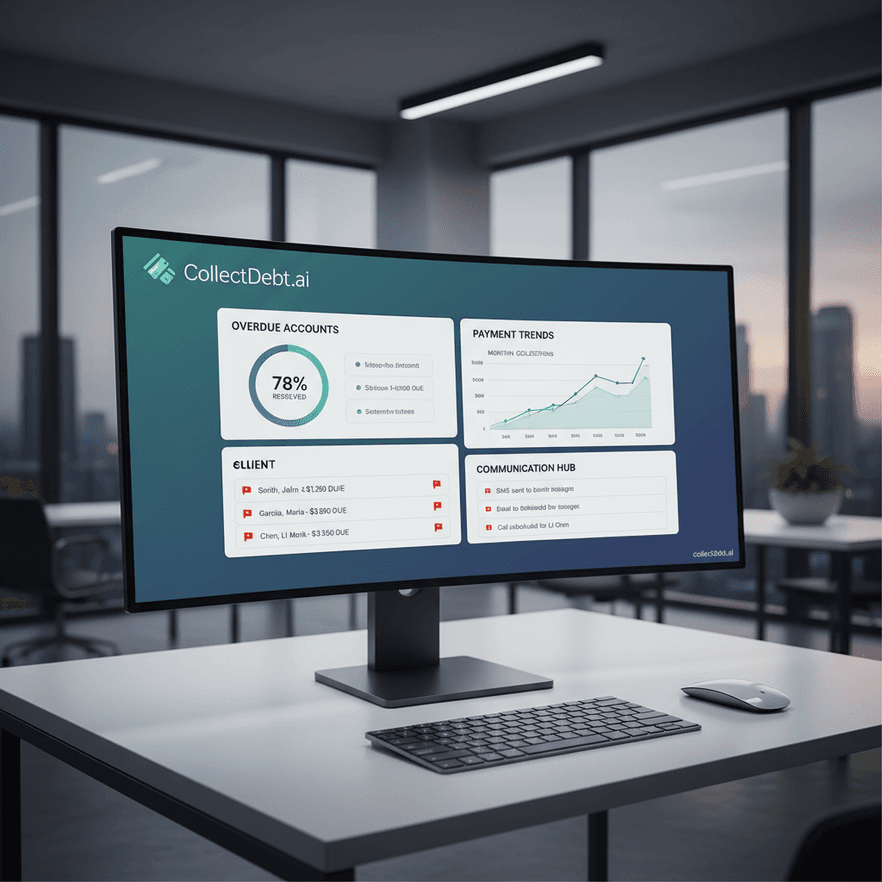
In today's fast-paced financial landscape, collections software has become an indispensable tool for businesses seeking to optimize their accounts receivable management and maximize debt recovery rates. Collections software is a specialized platform designed to automate, streamline, and enhance the debt collection process through advanced technology, compliance features, and intelligent workflow automation.
Modern collections software goes far beyond simple contact management. These platforms integrate artificial intelligence, omnichannel communication, regulatory compliance monitoring, and sophisticated analytics to transform how organizations approach debt recovery. Whether you're a financial institution, healthcare provider, retail operation, or collection agency, the right collections software can dramatically improve recovery rates while reducing operational costs and compliance risks.
As we move through 2026, the collections industry continues to evolve rapidly. Traditional manual collection methods are being replaced by AI-powered debt collection solutions that deliver superior results with greater efficiency. Understanding the landscape of collections software options has never been more critical for businesses looking to maintain competitive advantage.
Understanding Collections Software: Core Components and Capabilities
When evaluating collections software, it's essential to understand the fundamental components that distinguish modern platforms from legacy systems. Today's leading solutions integrate multiple sophisticated capabilities designed to address every aspect of the collection lifecycle.
Automation and Workflow Management
The backbone of effective collections software is its automation capability. Modern platforms automate repetitive tasks such as account assignment, payment reminders, follow-up scheduling, and escalation protocols. This automation frees collection teams to focus on complex cases requiring human judgment while ensuring consistent, timely outreach across all accounts.
Advanced AI debt collection automation enables platforms to learn from historical data, predict debtor behavior, and optimize collection strategies dynamically. These systems can automatically adjust communication frequency, channel selection, and messaging tone based on debtor response patterns and account characteristics.
Omnichannel Communication Capabilities
Effective debt collection requires reaching debtors through their preferred communication channels. Leading collections software platforms offer omnichannel support that seamlessly integrates phone calls, SMS, email, web portals, and chatbots into unified workflows.
This multi-channel approach significantly increases contact rates while respecting debtor preferences. Modern systems coordinate across channels to prevent over-communication and maintain compliance with contact frequency regulations. The result is higher engagement rates and improved debtor experience throughout the collection process.
Compliance and Regulatory Management
One of the most critical functions of modern collections software is ensuring compliance with complex and evolving regulations. Platforms must incorporate comprehensive compliance monitoring for regulations including the Fair Debt Collection Practices Act (FDCPA), Telephone Consumer Protection Act (TCPA), and various state and international data privacy laws.
Sophisticated collections software automatically applies time-zone restrictions, tracks communication history to prevent violations, manages consent documentation, and provides audit trails for regulatory review. These FDCPA compliance features protect organizations from costly violations while maintaining ethical collection practices.
Essential Features to Look for in Collections Software
When selecting collections software, specific features separate exceptional platforms from mediocre ones. Understanding these capabilities helps organizations make informed decisions that align with their operational needs and strategic objectives.
AI-Powered Personalized Outreach
Generic, one-size-fits-all collection approaches deliver poor results in today's environment. Advanced collections software leverages artificial intelligence to personalize every interaction based on debtor profiles, payment history, communication preferences, and behavioral patterns.
AI-driven systems analyze thousands of data points to determine optimal contact timing, preferred channels, message framing, and payment arrangement options. This conversational AI approach dramatically improves engagement rates and payment conversion while creating more positive debtor experiences.
Advanced Analytics and Reporting
Data-driven decision making is essential in modern collections operations. Comprehensive collections software provides real-time dashboards, predictive analytics, and customizable reporting that deliver actionable insights into portfolio performance, agent productivity, and strategy effectiveness.
Leading platforms go beyond basic reporting to offer predictive capabilities that identify high-risk accounts, forecast collection rates, and recommend strategic adjustments. These analytics enable collection managers to optimize resource allocation and continuously refine collection strategies based on empirical evidence.
Integrated Payment Processing
Seamless payment processing is fundamental to effective collections software. Modern platforms integrate multiple payment methods including credit/debit cards, ACH transfers, digital wallets, and payment plans. The integration of AI-powered payment systems streamlines the payment experience and reduces friction that might prevent resolution.
Advanced systems also offer self-service debt resolution portals where debtors can review balances, negotiate arrangements, and submit payments without agent intervention. This self-service capability reduces operational costs while providing debtors with convenient 24/7 access to resolution options.
API Integration and System Connectivity
Modern collections software must integrate seamlessly with existing business systems including CRM platforms, accounting software, loan servicing systems, and data warehouses. Robust API capabilities ensure data flows smoothly across systems without manual intervention or data duplication.
Organizations should prioritize platforms offering comprehensive integration capabilities that connect with their existing technology stack. This connectivity eliminates data silos, ensures information accuracy, and creates unified workflows across collection operations.
Choosing Your Collections Software: What Sets Leaders Apart
The collections software market offers numerous options, but significant differences exist in capabilities, technology sophistication, and business value delivered. Understanding these distinctions is crucial for making informed purchasing decisions.
Adaptive AI vs. Template-Based Communication
Legacy collections software relies on static, template-based communication that delivers the same generic messages regardless of debtor characteristics or circumstances. In contrast, advanced platforms like Collectdebt.ai employ adaptive AI that continuously learns from interactions and adjusts communication strategies in real-time.
This adaptive approach analyzes debtor responses, payment patterns, and engagement signals to optimize every subsequent interaction. The result is dramatically higher engagement rates, improved debtor satisfaction, and superior collection performance compared to template-based approaches.
Predictive Analytics vs. Basic Reporting
Many collections software platforms offer reporting capabilities, but substantial differences exist in analytical sophistication. Basic systems provide retrospective reports showing what happened in past periods. Advanced platforms deliver predictive analytics that forecast future performance, identify at-risk accounts before they become problematic, and recommend specific strategic actions.
Leading solutions provide real-time customizable dashboards with actionable insights rather than static reports requiring manual interpretation. This analytical capability enables proactive management and continuous optimization of collection strategies.
Built-In Compliance vs. Manual Configuration
Regulatory compliance is non-negotiable in debt collection, but collections software platforms handle compliance very differently. Some systems require extensive manual configuration of compliance rules, ongoing monitoring, and frequent updates as regulations evolve.
Superior platforms incorporate built-in compliance monitoring that automatically updates as regulations change, applies rules without manual configuration, and provides comprehensive audit trails. This automated approach significantly reduces compliance risk while minimizing administrative burden.
Collections Software Applications Across Industries
While core functionality remains consistent, effective collections software must address unique requirements across different industries. Understanding these industry-specific considerations helps organizations select platforms optimized for their operational context.
Financial Services Collections
Banks, credit unions, and lending institutions require collections software that handles complex account types, integrates with loan servicing systems, and manages regulatory requirements specific to financial services. Financial service collection solutions must support diverse product types from credit cards to mortgages while maintaining strict data security and compliance standards.
Healthcare Revenue Cycle Management
Healthcare providers face unique collection challenges including insurance coordination, patient sensitivity, and specialized regulatory requirements. Collections software for healthcare collections must navigate these complexities while maintaining patient relationships and supporting early-out self-pay strategies that maximize recovery before accounts become significantly delinquent.
Retail and E-Commerce
Retail organizations utilizing collections software must address high-volume, lower-balance accounts while maintaining customer relationships that support future business. Retail collection platforms emphasize customer experience, omnichannel communication, and self-service capabilities that enable quick resolution without damaging customer loyalty.
Utilities and Telecommunications
Utility and telecom providers require collections software that manages recurring billing relationships, coordinates service disconnection protocols, and handles unique regulatory requirements. Specialized solutions for utilities and telecom integrate with billing systems and service management platforms to coordinate collection activities with service delivery.
Implementing Collections Software: Best Practices and Considerations
Selecting the right collections software is only the first step. Successful implementation requires careful planning, change management, and ongoing optimization to realize maximum value from the platform investment.
Data Migration and System Integration
Transitioning to new collections software requires migrating historical account data, integrating with existing systems, and establishing data synchronization protocols. Organizations should prioritize platforms offering robust integration capabilities and migration support to minimize disruption during transition.
Team Training and Adoption
Technology alone doesn't transform collection operations people do. Comprehensive training ensures collection teams understand platform capabilities and adopt new workflows effectively. Leading collections software providers offer extensive training resources, ongoing support, and change management guidance to accelerate adoption and proficiency.
Continuous Strategy Optimization
Implementing collections software isn't a one-time event but rather the beginning of continuous improvement. Organizations should establish regular review cycles to analyze performance data, test strategy variations, and refine approaches based on empirical results. This iterative optimization process maximizes the return on investment in collection technology.
Measuring Collections Software ROI and Performance
Justifying investment in collections software requires understanding key performance metrics and expected returns. Leading platforms deliver measurable improvements across multiple dimensions that collectively generate substantial business value.
Enhanced Recovery Rates
The most direct benefit of advanced collections software is improved debt recovery performance. Organizations implementing AI-powered platforms typically experience 15-40% increases in collection rates compared to manual or legacy automated approaches. This improvement in recovery rates directly impacts bottom-line financial performance.
Operational Efficiency Gains
Automation capabilities within modern collections software significantly reduce the labor required for routine collection activities. Organizations report 30-50% reductions in time spent on administrative tasks, enabling teams to handle larger portfolios or focus resources on complex, high-value accounts requiring human expertise.
Reduced Compliance Risk
Compliance violations in debt collection carry substantial financial and reputational costs. Robust collections software with built-in compliance monitoring dramatically reduces violation risk, potentially saving organizations millions in avoided penalties, legal costs, and settlement expenses.
Improved Debtor Experience
While often overlooked, debtor experience impacts both immediate payment likelihood and long-term customer relationships. Modern collections software that emphasizes respectful, personalized communication and convenient resolution options improves debtor satisfaction scores while simultaneously increasing payment rates a rare win-win outcome.
The Future of Collections Software: Emerging Trends in 2026
The collections software landscape continues evolving rapidly as new technologies and methodologies emerge. Understanding these trends helps organizations make forward-looking technology investments that remain relevant as the industry advances.
Voice AI and Conversational Interfaces
Voice-based AI agents are transforming collection communication by enabling natural, conversational interactions at scale. Voice AI technology handles initial outreach, verification, and basic negotiation autonomously while seamlessly escalating complex situations to human agents. This capability dramatically expands contact capacity while maintaining personalized interaction quality.
Advanced Predictive Modeling
Machine learning models within collections software are becoming increasingly sophisticated in predicting payment likelihood, optimal contact strategies, and settlement propensity. These predictive capabilities enable highly targeted resource allocation and personalized approaches that maximize efficiency and effectiveness across diverse account populations.
Behavioral Science Integration
Leading collections software platforms are incorporating behavioral economics principles and psychological insights to improve communication effectiveness. These approaches leverage understanding of human decision-making to frame messages, structure payment options, and time interactions for maximum impact.
Frequently Asked Questions About Collections Software
How much does collections software typically cost?
Collections software pricing varies significantly based on features, deployment model, and scale. Solutions range from basic systems starting at $100-500 per user monthly to comprehensive enterprise platforms costing $50,000-500,000+ annually. Most providers offer tiered pricing based on account volume, user count, and feature access. Organizations should evaluate total cost of ownership including implementation, training, integration, and ongoing support rather than focusing solely on licensing fees.
How long does it take to implement collections software?
Implementation timelines for collections software vary based on complexity, integration requirements, and organizational readiness. Basic deployments may complete in 4-8 weeks, while comprehensive enterprise implementations typically require 3-6 months. Critical factors affecting timeline include data migration complexity, system integration scope, customization requirements, and team training needs. Leading providers offer structured implementation methodologies that accelerate deployment while ensuring thorough testing and user readiness.
Can collections software integrate with existing systems?
Modern collections software platforms are specifically designed to integrate with existing business systems through APIs, webhooks, and standard connectors. Leading solutions offer pre-built integrations with popular CRM, accounting, and servicing platforms plus flexible API capabilities for custom integrations. Organizations should prioritize platforms with robust integration capabilities that support their specific technology ecosystem.
How does collections software ensure regulatory compliance?
Advanced collections software incorporates automated compliance monitoring that applies regulatory rules across all communication channels. Systems track contact frequency, honor time-zone restrictions, manage Do Not Call lists, document consent, and maintain comprehensive audit trails. Leading platforms automatically update compliance rules as regulations evolve, reducing the burden of manual monitoring and significantly minimizing violation risk.
What advantages does AI-powered collections software offer over traditional systems?
AI-powered collections software delivers several critical advantages over traditional systems. These include personalized communication that adapts to individual debtor characteristics, predictive analytics that identify optimal strategies, automated decision-making that scales expert judgment, and continuous learning that improves performance over time. Organizations implementing AI-powered solutions typically experience 20-40% improvement in collection rates compared to traditional approaches.
What are best practices for selecting collections software?
When selecting collections software, organizations should evaluate multiple vendors through structured criteria including feature completeness, AI sophistication, compliance capabilities, integration flexibility, vendor stability, and customer references. Request detailed demonstrations using your actual use cases, conduct pilot programs with top candidates, and involve operational teams in evaluation. Prioritize platforms offering transparent pricing, comprehensive support, and clear implementation methodologies. Review the latest guidance on selecting collection software to inform your decision process.
Making the Right Collections Software Decision
Selecting the optimal collections software represents a critical strategic decision that impacts financial performance, operational efficiency, regulatory compliance, and customer relationships. As the collections landscape becomes increasingly complex and competitive, organizations that invest in sophisticated, AI-powered platforms gain substantial advantages over those relying on legacy systems or manual processes.
The most effective collections software combines advanced automation, intelligent personalization, comprehensive compliance monitoring, seamless system integration, and actionable analytics within unified platforms that support the entire collection lifecycle. These capabilities deliver measurable improvements in recovery rates, operational efficiency, and debtor experience while reducing compliance risk and operational costs.
As you evaluate collections software options, focus on platforms that demonstrate clear technological leadership, offer comprehensive capabilities addressing your specific requirements, provide transparent pricing and implementation support, and show evidence of delivering results for similar organizations. The investment in advanced collection technology pays dividends through improved financial performance and operational excellence that compounds over time.
Organizations seeking to transform their collection operations should explore comprehensive solutions like end-to-end collection platforms that integrate AI-powered automation, omnichannel communication, and intelligent analytics to deliver superior results in today's demanding collection environment.
Ready to Transform Your Collections Process?
See how CollectDebt.ai can help you automate debt collection, reduce costs, and improve compliance.