Best Collection Software For 2026: Complete Guide To AI-Powered Debt Recovery Solutions
Understanding the Collection Software Landscape in 2026
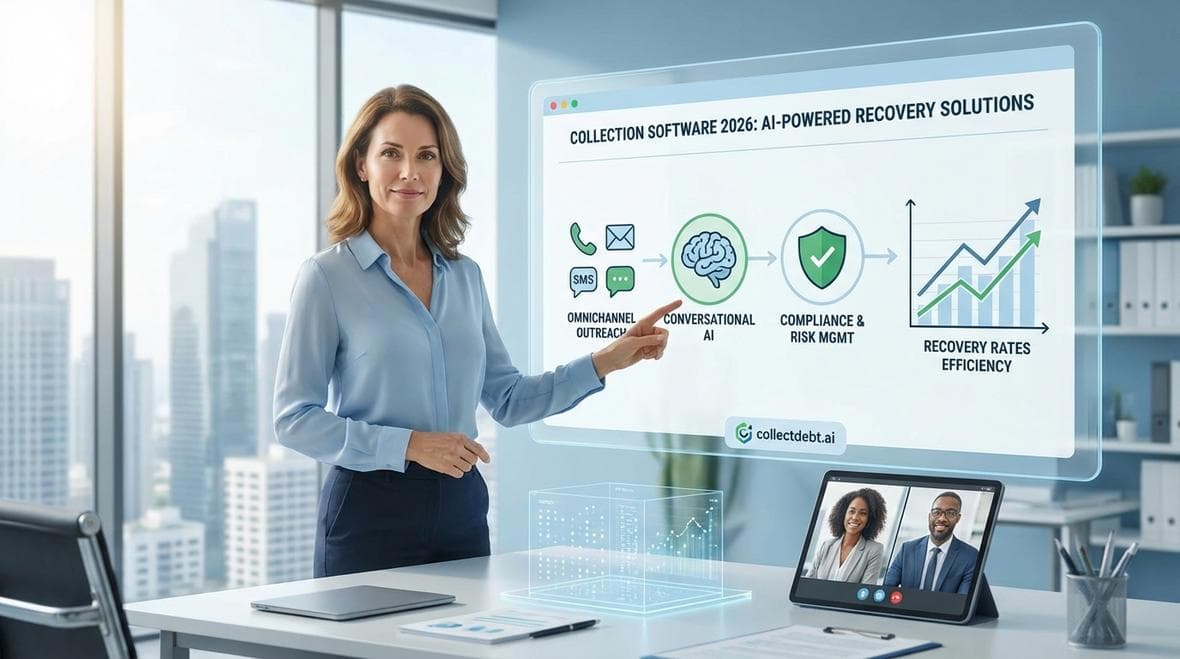
Selecting the best collection software has become a critical strategic decision for debt collection agencies and accounts receivable departments navigating the increasingly complex landscape of automated recovery solutions. As traditional call center models struggle with rising operational costs and compliance pressures, decision-makers are turning to AI-powered platforms that promise enhanced recovery rates, reduced expenses, and seamless regulatory adherence.
The evolution of collections technology has accelerated dramatically, with artificial intelligence transforming how organizations engage debtors across multiple channels. Modern collection software solutions now incorporate conversational AI, predictive analytics, and automated workflows that fundamentally reshape the debt recovery process. For Directors of Operations, Collections Managers, and CFOs, understanding which platform delivers the optimal balance of automation, compliance, and performance has never been more important.
According to research from IDC Market Research on Collections Automation and AI Adoption, the market for AI-powered collection solutions has experienced substantial growth, with adoption rates climbing as organizations recognize the efficiency gains and improved debtor engagement these platforms provide. This comprehensive guide examines the essential features, evaluation criteria, and strategic considerations that define the best collection software for 2026.
What Decision-Makers Look for in Collection Software
When evaluating the best collection software, enterprise decision-makers prioritize specific capabilities that directly impact their operational objectives. The primary search intent reflects a blend of informational and transactional considerations professionals seek both educational content to understand available options and actionable comparisons to facilitate purchasing decisions.
Automation and Operational Efficiency
The foundational requirement for any leading collection platform centers on automation capabilities that reduce manual intervention while maintaining personalized debtor interactions. Organizations require solutions that can handle high-volume outreach across voice, SMS, email, and digital channels without proportional staffing increases. AI debt collection platforms leverage natural language processing and machine learning to conduct contextually appropriate conversations, identify payment barriers, and negotiate resolution terms autonomously.
Batch calling functionality, intelligent routing, and automated follow-up sequences represent table-stakes features. The best collection software extends beyond basic automation to incorporate adaptive learning systems that refine strategies based on debtor behavior patterns and historical performance data. This intelligence enables platforms to optimize contact timing, channel selection, and messaging approaches for individual account profiles.
Compliance and Risk Management
Regulatory adherence constitutes a non-negotiable requirement for debt collection operations. The best collection software platforms embed compliance controls throughout the engagement lifecycle, ensuring adherence to the Fair Debt Collection Practices Act (FDCPA), Telephone Consumer Protection Act (TCPA), and state-specific regulations. Compliance solutions must include automated consent management, call recording with retention policies, disclosure delivery mechanisms, and dispute handling workflows.
Leading platforms incorporate FDCPA compliance frameworks directly into their AI conversational logic, preventing violations through pre-programmed guardrails that govern permissible communication content, frequency, and timing. Real-time monitoring capabilities alert supervisors to potential compliance risks, while comprehensive audit trails provide documentation for regulatory examinations and litigation defense.
Essential Features That Define the Best Collection Software
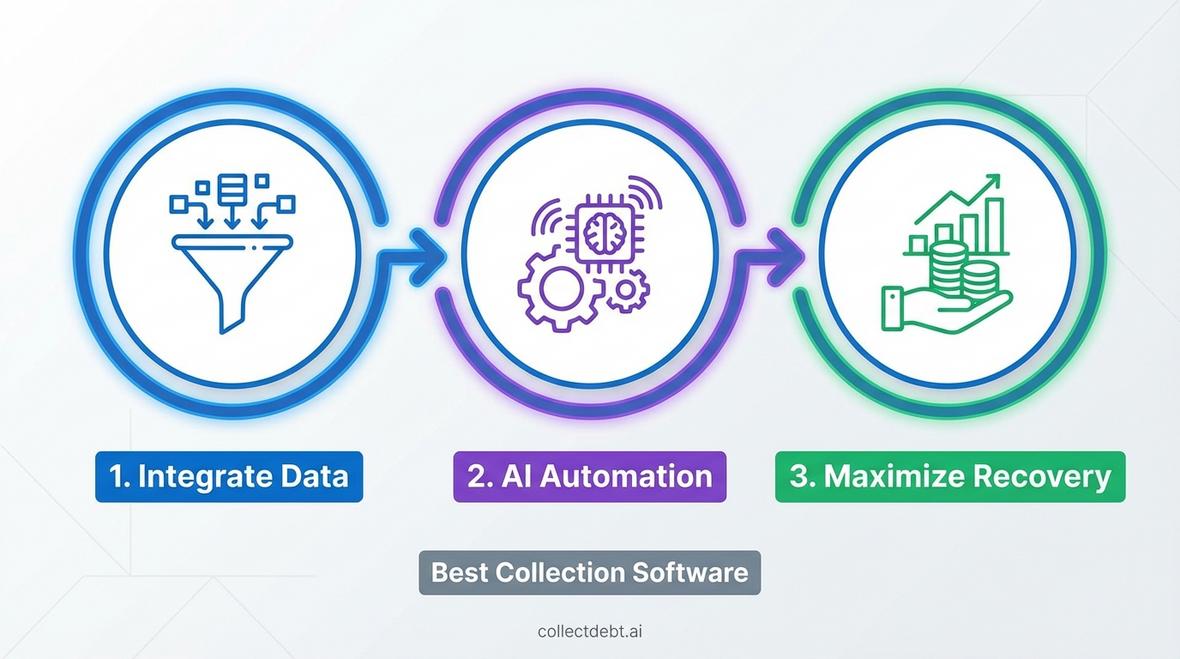
Distinguishing truly exceptional collection platforms from adequate solutions requires examining specific functional capabilities that drive measurable performance improvements. The following feature categories represent critical evaluation criteria for organizations seeking the best collection software for their operational requirements.
Advanced Conversational AI and Natural Language Processing
The technological foundation of modern collection software rests on sophisticated conversational AI that can conduct human-like dialogues with debtors. Unlike scripted interactive voice response (IVR) systems, contemporary platforms employ large language models trained specifically for debt collection scenarios. These systems understand intent, detect emotional cues, and adapt responses dynamically based on debtor statements.
Inbound conversational AI capabilities enable debtors to initiate contact and resolve accounts through self-service channels, reducing agent workload while improving debtor satisfaction. The best collection software supports multi-turn conversations that handle complex inquiries, process payments, establish payment plans, and address disputes without human intervention. Integration with payment processing systems enables immediate transaction completion during AI-guided interactions.
Omnichannel Engagement and Communication Orchestration
Debtor preferences for communication channels vary significantly across demographic segments and situational contexts. Superior collection platforms provide omnichannel support that seamlessly coordinates outreach across voice calls, SMS messages, email, push notifications, and web portals. The best collection software maintains conversation continuity across channels, allowing debtors to begin interactions via one medium and complete them through another without repetition.
Intelligent channel selection algorithms analyze historical response patterns, debtor preferences, and account characteristics to determine optimal communication methods for each contact attempt. This data-driven approach maximizes contact rates and response likelihood while respecting debtor channel preferences and minimizing compliance risks associated with specific communication methods.
Right Party Verification and Identity Authentication
Confirming debtor identity before discussing account details represents both a compliance requirement and operational necessity. Advanced collection platforms incorporate right party verification mechanisms that use knowledge-based authentication, voice biometrics, and document verification to establish identity with high confidence levels. These capabilities prevent inadvertent disclosure of protected information while reducing time spent on unproductive contacts with incorrect parties.
Multi-factor authentication approaches combine several verification methods to achieve security standards appropriate for financial transactions and sensitive account discussions. The best collection software automates this verification process within conversational flows, maintaining engagement continuity rather than creating friction through cumbersome authentication procedures.
Payment Facilitation and Promise-to-Pay Management
Converting debtor contact into actual payment collection requires frictionless payment processing integrated directly into communication channels. Leading platforms support multiple payment methods including credit cards, ACH transfers, digital wallets, and payment plan establishment through promise-to-pay functionality. The best collection software enables debtors to commit to payment schedules, receive automated reminders, and make subsequent payments through self-service channels without agent involvement.
Payment processing integrations must provide PCI-compliant security, real-time settlement visibility, and automated reconciliation with accounting systems. Intelligent payment planning algorithms suggest affordable installment structures based on account balance, debtor financial capacity indicators, and organizational recovery objectives. These features directly impact recovery rates by reducing barriers to payment completion.
ROI and Performance Metrics: Quantifying Collection Software Impact
Justifying investment in new collection technology requires clear understanding of expected returns and performance improvements. The best collection software delivers measurable benefits across multiple dimensions that collectively transform collection economics and operational efficiency.
Recovery Rate Enhancement
The primary performance metric for collection operations centers on recovery rates the percentage of outstanding debt successfully collected. Research from Capgemini Collections Technology and Digital Transformation Research demonstrates that AI adoption significantly impacts recovery rates through improved debtor engagement and personalized communication strategies. Organizations implementing advanced collection platforms typically observe recovery rate improvements ranging from 15 to 40 percent compared to traditional methods, with specific gains dependent on portfolio characteristics and implementation quality.
These improvements stem from several factors: increased contact rates through optimized timing and channel selection, higher engagement rates via conversational interactions, reduced debtor friction through self-service options, and improved payment plan adherence through automated reminders and easy payment processing. For more insights, explore generative AI versus traditional debt collection ROI analysis.
Operational Cost Reduction
Automation's most immediate impact appears in dramatically reduced operational expenses. Traditional collection operations incur substantial costs for agent salaries, training, supervision, facility space, and telephony infrastructure. The best collection software reduces these expenses by automating routine interactions, enabling smaller teams to manage larger portfolios, and eliminating physical infrastructure requirements through cloud-based deployment.
Organizations commonly report 40 to 60 percent reductions in cost-per-dollar-collected after implementing comprehensive collection automation platforms. These savings enable either margin expansion or competitive pricing advantages for third-party collection agencies. For enterprise accounts receivable departments, cost reductions translate directly to bottom-line profitability improvements.
Compliance Risk Mitigation and Litigation Reduction
Regulatory violations carry substantial financial and reputational costs for collection operations. FDCPA violations can result in statutory damages, attorney fees, and regulatory sanctions. The best collection software dramatically reduces compliance risk through programmatic enforcement of regulatory requirements, comprehensive documentation, and elimination of human errors that commonly trigger violations.
Organizations implementing robust compliance-focused platforms report significant reductions in consumer complaints, regulatory inquiries, and litigation incidents. The documented compliance posture these systems provide also facilitates more favorable outcomes when disputes do arise, as comprehensive audit trails demonstrate good-faith compliance efforts.
Evaluation Criteria for Selecting the Best Collection Software
Organizations embarking on collection software selection must establish clear evaluation criteria aligned with their specific operational requirements, portfolio characteristics, and strategic objectives. The following framework provides structured guidance for comparative assessment.
Integration Capabilities and Technology Ecosystem
Collection software functions as a component within broader technology ecosystems encompassing customer relationship management systems, accounting platforms, payment processors, and data analytics tools. The best collection software provides extensive integration capabilities through APIs, pre-built connectors, and flexible data exchange mechanisms that ensure seamless information flow across the technology stack.
Evaluation should examine integration depth with existing systems, data synchronization frequency and reliability, support for custom integration requirements, and vendor responsiveness to integration challenges. Organizations with complex technology environments should prioritize platforms with proven integration track records and robust technical support resources.
Scalability and Performance Requirements
Collection operations experience significant volume fluctuations based on portfolio acquisitions, seasonal patterns, and economic conditions. Leading platforms support elastic scalability that accommodates volume changes without performance degradation or infrastructure investment. Cloud-native architectures provide inherent scalability advantages over on-premises deployments, enabling organizations to expand capacity dynamically based on actual demand.
Performance evaluation should include stress testing under peak volume conditions, assessment of concurrent user support, examination of system response times under load, and understanding of vendor capacity planning processes. The best collection software maintains consistent performance characteristics regardless of utilization levels.
Vendor Stability and Support Quality
Collection software represents mission-critical infrastructure warranting careful vendor evaluation beyond feature comparisons. Organizational decision-makers should assess vendor financial stability, customer retention rates, product development roadmaps, implementation support quality, and ongoing technical assistance responsiveness. Reference checks with existing customers provide valuable insights into actual vendor performance versus marketing claims.
Long-term vendor partnerships depend on alignment between organizational growth trajectories and vendor product evolution. The best collection software vendors demonstrate commitment to continuous platform enhancement, proactive communication about upcoming changes, and responsive incorporation of customer feedback into development priorities.
Industry-Specific Collection Software Considerations
Different industry sectors face unique collection challenges requiring specialized platform capabilities. Understanding industry-specific requirements ensures selection of solutions optimized for particular operational contexts.
Healthcare Collections and Patient Financial Engagement
Healthcare collections involve complex billing structures, insurance coordination, and heightened sensitivity around patient relationships. The best collection software for healthcare providers incorporates patient-friendly communication approaches, insurance verification capabilities, payment plan flexibility suitable for medical debt, and integration with electronic health record systems and practice management platforms.
Financial Services and Consumer Lending
Banks, credit unions, and consumer lenders require collection platforms with sophisticated account servicing capabilities, robust compliance frameworks for heavily regulated environments, and integration with core banking systems. Financial service collections demand particular attention to regulatory requirements, data security standards, and relationship preservation objectives that distinguish consumer lending from other collection contexts.
Utilities and Telecommunications
Utility and telecom providers manage ongoing customer relationships where collection activities must balance recovery objectives against service continuation and customer retention. The best collection software for utilities and telecom sectors supports flexible payment arrangements, service restoration automation, and communication strategies that maintain customer goodwill throughout collection processes.
Implementation Best Practices for Collection Software Success
Technology acquisition represents only the initial step toward realizing collection automation benefits. Successful implementations require structured approaches encompassing change management, process redesign, and performance optimization.
Phased Rollout and Pilot Programs
Organizations minimize implementation risk through phased rollout strategies that begin with pilot programs on limited portfolio segments. This approach enables teams to develop operational proficiency, identify configuration refinements, and demonstrate value before enterprise-wide deployment. Pilot programs should establish clear success metrics, defined timelines, and structured evaluation processes that inform broader rollout decisions.
Staff Training and Change Management
Collection automation transforms staff roles from direct debtor interaction toward exception handling, system monitoring, and strategic analysis. Successful implementations invest substantially in staff training that builds proficiency with new platforms while addressing concerns about role changes. Change management processes should communicate transformation benefits, provide adequate training resources, and establish support mechanisms that facilitate smooth transitions.
Continuous Optimization and Performance Monitoring
The best collection software platforms provide extensive analytics and reporting capabilities that enable continuous performance optimization. Organizations should establish regular review cadences examining key performance indicators, identifying improvement opportunities, and implementing configuration adjustments that enhance results. Data-driven optimization represents an ongoing process rather than one-time implementation activity, with leading organizations continuously refining strategies based on performance insights.
Future Trends Shaping Collection Software Evolution
The collection technology landscape continues evolving rapidly as artificial intelligence capabilities advance and debtor expectations shift. Understanding emerging trends helps organizations make forward-looking platform selections that remain relevant as the market develops.
Generative AI and Large Language Models
The integration of advanced generative AI models into collection platforms enables increasingly sophisticated conversational capabilities, personalized communication generation, and contextual understanding that approaches human-level performance. These technologies will continue expanding the scope of interactions manageable through automation while improving debtor experience quality.
Predictive Analytics and Behavioral Modeling
Enhanced predictive capabilities leveraging machine learning algorithms will increasingly guide collection strategies through accurate forecasting of payment probability, optimal contact timing, and effective communication approaches for individual debtors. These analytical advances enable highly personalized collection strategies that maximize recovery efficiency while minimizing debtor friction.
Regulatory Technology Integration
As compliance requirements grow more complex and enforcement intensifies, collection platforms will incorporate increasingly sophisticated regulatory technology (RegTech) capabilities that automate compliance monitoring, adapt dynamically to regulatory changes, and provide comprehensive documentation supporting audit and litigation defense requirements.
Conclusion
Selecting the best collection software requires comprehensive evaluation of automation capabilities, compliance frameworks, integration ecosystems, and industry-specific requirements aligned with organizational objectives. Modern AI-powered platforms deliver substantial improvements in recovery rates, operational efficiency, and compliance posture compared to traditional approaches. Decision-makers should prioritize solutions offering conversational AI, omnichannel engagement, robust compliance controls, and seamless payment facilitation. Successful implementations demand structured rollout strategies, comprehensive staff training, and ongoing performance optimization. As collection technology continues evolving through generative AI advancement and predictive analytics enhancement, organizations investing in leading platforms position themselves for sustained competitive advantage in increasingly automated debt recovery landscapes.
Ready to Transform Your Collections Process?
See how CollectDebt.ai can help you automate debt collection, reduce costs, and improve compliance.